Invisalign® offers a contemporary alternative to traditional braces: a sequence of clear, removable aligners that gradually reposition teeth with minimal disruption to daily life. For patients who want a discreet path to a straighter smile without metal brackets, Invisalign® combines precise digital planning with comfortable, nearly invisible appliances. Our approach treats alignment as part of an overall functional plan, not just an aesthetic fix, so results are built to last.

Invisalign® for Teens

Invisalign® for Brides

Invisalign® for Travelers
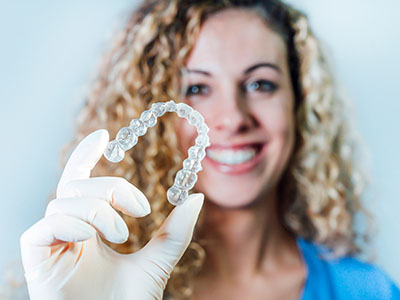
Before & After Photos
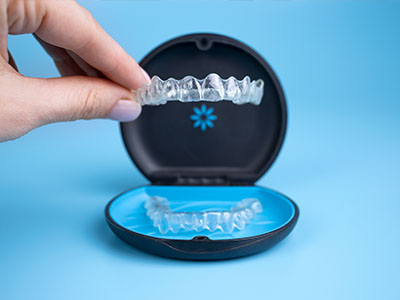
Invisalign® Videos
FAQs
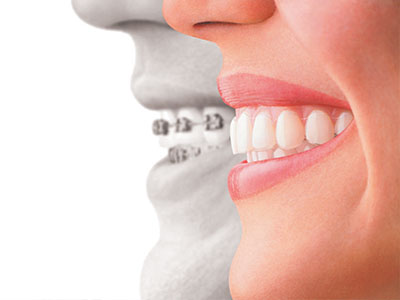
Invisalign® vs Braces
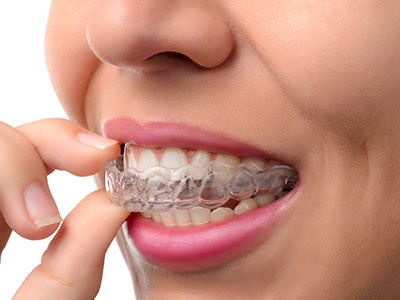
Invisalign® vs Direct-To-Consumer Aligners
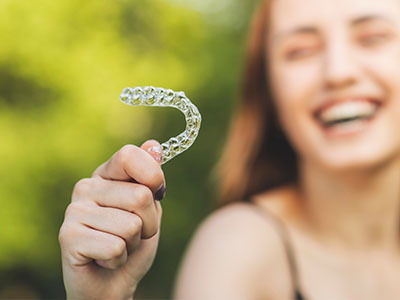
Is Invisalign® Right For Me?

Invisalign® Costs
Clear aligners are designed around real-life routines. Because each tray is removable, you can eat and drink normally, maintain your regular oral hygiene, and participate in social or professional events without the visible bulk of wires. Many patients appreciate that the appliance is essentially invisible at conversational distance, which makes orthodontic care easier to manage alongside work, family, and travel.
Beyond aesthetics, aligners are comfortable by design. The smooth plastic avoids the soft-tissue irritation that can come with brackets and archwires, and planned incremental movements tend to distribute force more gently. This can reduce the soreness that some people associate with bracket-and-wire adjustments while still delivering controlled, predictable tooth movement.
Compliance is a key factor in success: aligners must be worn for the prescribed hours each day to achieve the planned movements. When used as intended, Invisalign® allows predictable staging of tooth shifts, including rotations, uprighting, and space closures. In many cases, the digital plan anticipates the full sequence of movement, reducing the need for frequent, unplanned interventions.
One of the defining strengths of Invisalign® is its reliance on advanced digital imaging. A precise 3-D scan captures the current positions of your teeth and creates a virtual setup that illustrates each step of the planned movement. This visualization helps both clinician and patient see the expected progression and final outcome before treatment begins.
The digital workflow also improves predictability. Using computer-guided staging, clinicians can plan the sequence of aligners to control tipping, rotation, and translation with a high degree of accuracy. Small auxiliary features, such as attachments bonded to specific teeth, help the aligners engage and move problematic teeth more effectively when needed.
Throughout treatment, scheduled check-ins let the clinician confirm that the plan is tracking as intended and make refinements if necessary. The combination of an evidence-based digital plan and ongoing professional oversight allows treatment to remain efficient while prioritizing tooth health and functional stability.
As pioneers in the field of aligner development and technology, the folks at Align Technology, Inc. gather data from millions of treated smiles to design treatment systems that:
Custom-made to the exact specifications of your smile, Invisalign® clear aligners are designed to incrementally move your teeth into their correct positions over time. Simply swap-out last week's aligner for the next one in the series and watch as your smile progressively shows signs of improvement.
And, because Invisalign® clear aligners are removable for short periods of time, you can still enjoy the foods you love as well as brush and floss your teeth with ease!
When alignment is part of a broader functional concern (such as bite balance, jaw comfort, or airway considerations), planning pays off. At Functional Cosmetic Dentistry Associates we evaluate how your teeth meet and how your jaw moves before finalizing an alignment strategy, so cosmetic changes rest on a mechanically sound foundation.
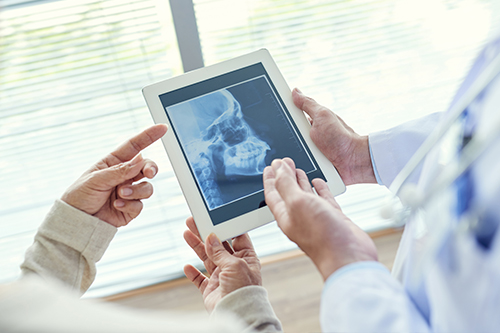
A productive Invisalign® journey begins with an assessment that looks beyond tooth position. We check how your bite functions, whether there are signs of wear, and how your jaw joints move. Understanding these elements helps us decide if aligner therapy alone is appropriate or if adjunctive measures will improve long-term stability.
During the consultation we take a fast digital scan and review the range of movement expected with aligners. This scan forms the basis of a personalized plan and gives you a realistic preview of potential results. Seeing a projected outcome helps patients set informed expectations and make a confident decision about proceeding.
We also discuss daily requirements and answer practical questions about wear-time, care, and how treatment fits with your lifestyle. Clear communication at this stage reduces surprises later and makes the entire process smoother and more predictable.
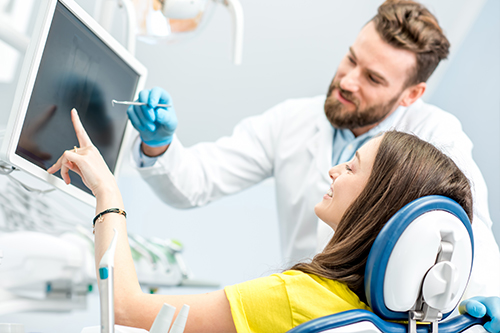
After the scan, a clinician designs a stepwise roadmap that sequences each aligner and the movements it will create. This plan maps out how teeth shift over time and identifies where attachments, interproximal reduction, or other small interventions may be necessary to reach the desired alignment.
Seeing the full sequence in a visual plan helps patients understand the pace of progress and the checkpoints involved. It also allows the dental team to anticipate potential challenges and incorporate refinements into the workflow rather than reacting to them later.
Because the process is digitally driven, updates and refinements can be communicated efficiently, ensuring that each new phase of aligners arrives ready to advance the treatment in a controlled and measured way.
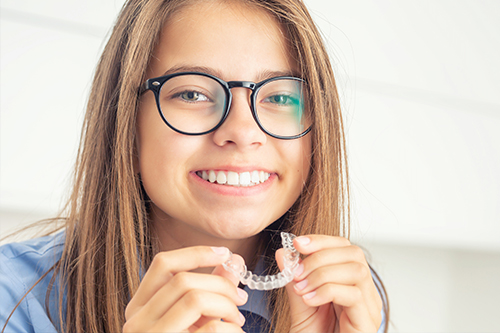
Each aligner is manufactured to the exact contours of your dental arches and the prescribed staging. The thermoplastic material used is thin yet strong, balancing comfort with the ability to apply effective force where needed. Smooth edges and a close fit reduce irritation and promote compliance.
In many cases, small bonded attachments help the aligner grip a tooth to achieve specific movements. These attachments are unobtrusive and can be removed when treatment is complete. Because aligners are changed incrementally, the forces applied are generally lower and more tolerable than some traditional orthodontic adjustments.
Maintaining oral hygiene is straightforward with removable aligners: brush and floss normally, and clean the aligners themselves per your clinician’s instructions. This can reduce the risk of decay and staining that sometimes accompany prolonged fixed appliance wear.

Successful alignment extends beyond the last aligner. After active movement, retention is essential: retainers help preserve the final positions as soft tissues and bone adapt. We work with each patient to establish a retention plan that fits their needs and minimizes relapse risk.
Periodic check-ups after treatment let us monitor stability, address minor adjustments if they arise, and coordinate any additional restorative or cosmetic steps that enhance function and esthetics. Because our practice emphasizes function as well as form, follow-up care often includes a review of bite relationships and joint comfort.
Whether your goal is a subtle improvement or a comprehensive smile transformation, the combination of precise planning, patient cooperation, and thoughtful aftercare gives aligner therapy the best chance to deliver durable, satisfying outcomes.
Explore clinician-led demonstrations and educational material that illustrate how Invisalign® works and what to expect during treatment.
*Invisalign® is a registered trademark of Align Technology, Inc.
Functional Cosmetic Dentistry Associates integrates modern aligner therapy into a broader strategy that values both how your smile looks and how it works. If you have questions about whether Invisalign® is the right option for your needs, or if you’d like to schedule an evaluation, please contact us for more information.
Invisalign uses a series of clear, removable thermoplastic aligners to move teeth incrementally rather than brackets and wires bonded to the teeth. Each aligner is manufactured to fit the exact contours of your dental arches and advance tooth movement according to a digitally planned sequence. Because the system is staged in small, controlled steps, clinicians can plan complex movements and anticipate where attachments or small adjunctive procedures may be needed.
Compared with traditional fixed appliances, aligners are designed to minimize soft-tissue irritation and make oral hygiene easier since trays are removed for brushing and flossing. The clear material makes them much less noticeable at conversational distance, which many adults and teens prefer for social and professional settings. The combination of a virtual treatment roadmap and periodic clinical oversight supports predictable, measurable progress when patients follow wear instructions.
Many adolescents and adults with mild to moderate alignment concerns are excellent candidates for Invisalign, including patients with crowding, spacing, and certain bite irregularities. The suitability of aligners depends on the complexity of the case, how the jaws fit together, and whether underlying functional issues exist that need to be addressed first. A thorough clinical exam and digital scan help determine whether aligner therapy alone is appropriate or if supplemental measures will improve the final outcome.
Patients who commit to the required daily wear time and follow clinician instructions typically see the best results, because predictable staging depends on consistent compliance. Those with active TMJ symptoms, severe bite discrepancies, or airway concerns may still benefit from aligners, but treatment planning will prioritize function and stability and sometimes include coordinated therapies. The initial assessment clarifies expectations and the most conservative, effective path forward.
A precise 3-D digital scan captures the current positions of your teeth and arch relationships, creating a virtual model the clinician uses to plan treatment from start to finish. That virtual setup allows you and the team to visualize the anticipated sequence of movements and the projected end result before any aligners are produced. The digital workflow improves accuracy by letting the clinician design staging, identify where attachments or interproximal reduction may be needed, and communicate refinements efficiently.
Because the plan is computer-guided, it improves predictability and helps avoid unnecessary delays by anticipating difficult movements and incorporating auxiliary features when required. Progress can be reviewed against the digital roadmap during appointments, and additional scans can be taken if refinements are needed. This approach balances high-tech planning with regular clinical checks to prioritize tooth health and functional stability throughout treatment.
The consultation begins with a focused evaluation of how your teeth meet, how your jaw joints move, and whether there are signs of wear or other functional concerns that influence long-term stability. We take a fast digital scan to capture your dentition and discuss how aligner therapy would fit into a broader plan that values both form and function. This visit also covers practical details like expected wear-time, appliance care, and how treatment will fit with your daily life.
Functional Cosmetic Dentistry Associates reviews the virtual treatment preview with you so you can see the planned progression and ask questions about attachments, possible adjunctive procedures, and follow-up care. The team prioritizes clear communication so you leave the appointment with a realistic understanding of the timeline, checkpoints, and the maintenance required to achieve durable results. If additional imaging or a referral is needed for jaw or airway assessment, that will be discussed before treatment begins.
Treatment length varies with the complexity of the case, patient age, and how consistently aligners are worn, but many patients complete active aligner therapy within several months to about a year. Simple corrections can be relatively quick, while more comprehensive movements or cases requiring bite correction may take longer. The initial digital plan provides an estimated sequence and milestone timeline, but actual progress is confirmed during periodic clinical check-ins.
Occasionally refinements or additional aligners are needed to fine-tune tooth positions, and those adjustments are part of normal clinical management rather than an indication of failure. Regular reviews allow the clinician to confirm tracking and make timely modifications that keep the case moving efficiently. Consistent wear and prompt follow-up help minimize unexpected extensions to the timeline.
Aligners should be removed for eating and drinking anything other than water, and you should brush and floss before reinserting them to prevent trapping food and bacteria against your teeth. Clean your aligners daily using the method recommended by your clinician, typically gentle brushing with cool water or a manufacturer-approved cleaning solution, and avoid hot water that can warp the plastic. Store trays in their case when not in use to reduce the risk of loss or damage.
Maintaining routine dental exams and professional cleanings during treatment is important to monitor tooth and gum health and catch issues early. Because aligners are removable, they often make it easier to keep teeth clean compared with fixed braces, which can help reduce the risk of decay and staining. Report any persistent irritation or changes in fit to your clinician so they can assess whether an adjustment or additional instruction is needed.
Some patients notice a mild lisp or change in speech during the first few days after beginning a new set of aligners, but most people adapt quickly as the tongue adjusts to the trays. This adaptation period is typically short and does not indicate a problem with treatment. Practicing speaking and reading aloud during the initial wear can speed the acclimation process for those who are concerned about temporary changes in their voice.
Discomfort is usually limited to mild soreness for a day or two after switching to a new aligner as teeth begin to move, and this is similar to sensations reported with other orthodontic adjustments. Attachments or small bonded features can feel unfamiliar but are designed to be low-profile and are removed when treatment is complete. If you experience sharp pain, prolonged numbness, or symptoms that do not improve, contact your clinician for an evaluation.
Invisalign can correct many alignment problems and certain bite discrepancies, and when planned with a functional focus it can contribute to improved occlusion and comfort. However, TMJ symptoms and airway disorders require a comprehensive functional assessment because they involve jaw movement patterns, muscle tension, and sometimes airway anatomy beyond tooth position. Treating alignment without addressing the underlying mechanics can risk instability, so a coordinated evaluation is essential.
When bite, TMJ, or airway issues are present, the treatment plan may combine aligner therapy with adjunctive appliances, muscle or joint therapies, or referrals for sleep testing when appropriate. The goal is to integrate cosmetic improvement with measures that support jaw comfort, breathing, and long-term function. Regular monitoring during treatment ensures that changes in occlusion do not exacerbate existing symptoms and that the final result supports both esthetics and health.
Retention is a critical phase that begins when active movement ends; retainers help maintain the final tooth positions while bone and soft tissues adapt. Retention protocols vary by patient and may include removable retainers for full-time then nighttime wear or bonded retainers in specific areas to preserve alignment. Your clinician will recommend a retention schedule tailored to your risk of relapse and daily preferences.
Follow-up visits during the retention period allow the team to monitor stability and address minor settling or movement before it becomes a larger issue. In some cases, minor refinements or restorative work such as enamel reshaping or veneers are coordinated after alignment to optimize occlusion and esthetics. Long-term maintenance, including periodic checkups, supports the durability of the outcome.
Progress is monitored through scheduled clinical check-ins where the clinician assesses how well the teeth are tracking against the digital treatment plan and evaluates oral health and appliance fit. If movements are proceeding as planned, the patient continues with the series of aligners on schedule; if discrepancies appear, the team documents them and determines the most efficient path to corrective refinement. Additional scans, photos, or a new set of aligners may be produced when fine-tuning is required.
The digitally driven workflow allows the clinician to anticipate challenging movements and incorporate adjustments proactively, which reduces the need for reactive measures. Clear communication and timely follow-up appointments help identify issues early and keep treatment on course. After active movement, a retention strategy and periodic monitoring ensure the improvements remain stable over time.
Quick Links