


At Functional Cosmetic Dentistry Associates, we take a preventive-first view of oral care: regular, well-executed exams are the cornerstone of a long-lasting, healthy smile. An oral exam is more than a quick look inside the mouth: it is a focused inspection that helps identify early signs of disease, confirms how well previous treatments are holding up, and establishes a practical plan to keep small issues from becoming major ones. Our goal is to make every visit informative, efficient, and tailored to each patient's needs.
Routine exams also serve as a moment for education and partnership. We translate clinical findings into clear next steps and help patients understand how daily habits, medical history, and life stage affect oral health. Whether you arrive for a first appointment or for ongoing care, the exam gives us the information we need to protect your teeth, gums, jaws, and airway.
A careful oral exam catches problems at their beginning, when solutions are simpler and less invasive. Detecting cavities, gum inflammation, or early wear patterns before they progress avoids unnecessary complications and preserves healthy tooth structure. For many patients, the difference between an early adjustment and a complex restoration begins with what we find in the exam chair.
Beyond diagnosing disease, oral exams let us evaluate function: how your teeth meet, how your jaw moves, and whether habits like grinding or clenching are placing undue stress on restorations. Functional issues can cause pain, fractures, accelerated wear, and sleep-related breathing problems; identifying those mechanics early gives us options that protect your smile and comfort.
Finally, exams are an opportunity to personalize prevention. Based on what we see, we recommend a hygiene schedule, targeted home care techniques, and any adjunctive treatments, such as fluoride applications or sealants, that reduce risk. That proactive approach keeps visits productive and helps patients keep their teeth longer and stronger.
Your initial comprehensive visit creates a clear starting point for care. We begin by reviewing medical and dental history so we understand medications, systemic conditions, and past treatments that influence oral health. An open conversation about symptoms, sensitivities, and cosmetic or functional concerns helps us prioritize what matters most to you.
The hands-on portion of the exam looks at teeth, gums, and supporting tissues; we check for decay, failing restorations, gum pocketing, and signs of infection. We assess the temporomandibular joints and the muscles of the head and neck for tenderness, range of motion, and any clicking or locking. Observing how teeth come together and move against each other helps us detect bite problems that could threaten future dental work.
Where appropriate, we supplement the visual exam with diagnostic imaging and other tests to see beneath the surface. After the exam we review findings with you in plain language and discuss options prioritized from least invasive upward. The result is a clear, patient-centered plan that aligns with your goals for function, comfort, and appearance.

Oral health and general health are closely linked. During an exam we look for changes in the mouth that can reflect or influence systemic conditions: for example, unusual bleeding, persistent dryness, oral lesions, or rapid changes in gum health. These findings sometimes prompt collaboration with your physician to ensure coordinated care.
Many medical conditions show signs in the oral cavity, and some oral infections can complicate existing health problems. Because of this two-way relationship, our exams are attentive to patterns that suggest broader concerns, and we communicate observations that may be relevant to your overall medical care.
We also consider lifestyle factors (such as tobacco use, diet, and nighttime breathing) that affect both oral and systemic health. For children and adults alike, early recognition and intervention support healthier outcomes over the long term, so routine exams serve both immediate dental needs and broader wellness objectives.

Visual inspection is essential, but imaging lets us see what the eye cannot: the roots of teeth, the jawbone, and the relationship of anatomy beneath the gumline. We use digital radiography and, when clinically indicated, three-dimensional cone-beam computed tomography (CBCT) to gather a complete picture for diagnosis and treatment planning.
Digital x-rays provide several advantages for patients. They require less radiation than older film-based systems, produce images immediately for review, and integrate with electronic records so we can compare studies over time. Those features make it simpler to explain findings and to track changes across appointments.
Different image types serve different purposes: periapical films reveal the entire tooth from crown to root, bitewings highlight early decay between teeth, panoramic films show overall dental development and jaw health, and CBCT offers detailed 3D views when surgical planning or implant placement requires precise anatomic information. We select the minimal imaging necessary to answer the clinical question at hand.
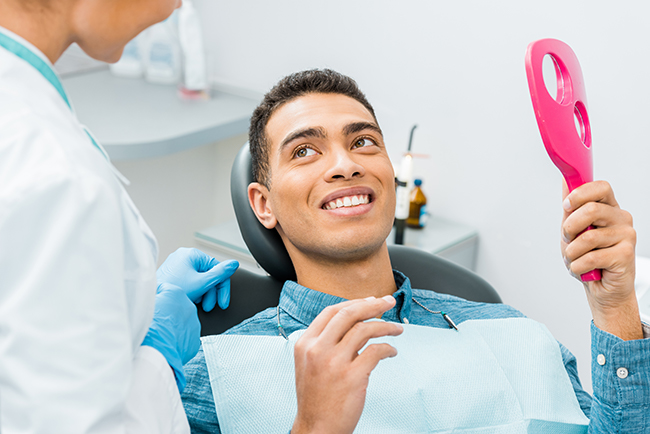
An exam typically pairs with a professional cleaning performed by our hygienists, who remove plaque and tartar from places your toothbrush and floss can't reach. That cleaning reduces the bacterial load responsible for cavities and gum disease and leaves your mouth feeling refreshed. We use that appointment to reinforce effective home-care techniques tailored to your needs.
Most adults and many children benefit from routine visits every six months, but frequency is individualized. Patients with faster rates of disease, certain medical conditions, or particular restorative needs may require more frequent monitoring. Regular recall visits let us detect changes early and adapt preventive measures as life circumstances evolve.
We also watch growth and development in younger patients to determine if or when orthodontic assessment or early interceptive measures are warranted. For adults, exams allow us to monitor restorations, evaluate wear or bite changes, and intervene before small problems escalate. The overarching aim is a schedule that keeps your mouth healthy with as little disruption as possible.
At every step we strive to make visits comfortable and respectful. If you experience dental anxiety or have special health considerations, tell us up front so we can accommodate your needs and create a plan that makes care accessible.
In summary, a thoughtful oral exam is the foundation of durable dental health: it detects issues early, informs precise treatment decisions, and connects oral care to whole-body wellness. If you would like to learn more about what to expect during an exam or to discuss how we tailor preventive plans to individual patients, please contact us for more information.
An oral exam is a focused, systematic evaluation of the teeth, gums, supporting tissues, and related structures to detect early signs of disease or functional problems. The clinician visually inspects each tooth and the surrounding soft tissues, checks gum health and pocketing, and assesses restorations for wear or failure. The exam also includes a muscle and joint assessment to note tenderness, range of motion, and any clicking or locking that could indicate temporomandibular joint dysfunction.
When needed, the exam is supplemented with targeted imaging and testing to reveal issues beneath the surface, such as root problems or bone loss. Findings are translated into clear, prioritized recommendations that begin with the least invasive options and respect patient goals for comfort and appearance. The overall aim is to give patients an accurate baseline and a practical plan to keep small problems from becoming complex ones.
Throughout the visit clinicians communicate in plain language so patients understand what was observed and why specific follow-up is recommended. Examinations are tailored to individual history, current symptoms, and restorative needs rather than following a one-size-fits-all checklist. This patient-centered approach ensures each visit is informative and directly relevant to maintaining long-term oral health.
Frequency for oral exams is individualized based on a patient’s risk factors, medical history, and previous findings; many adults benefit from visits every six months but others require more or less frequent monitoring. Patients with rapid rates of disease, certain systemic conditions, or complex restorative or orthodontic needs may be seen more often to catch changes early. The exam schedule is decided collaboratively so it supports prevention while fitting into the patient’s life.
Routine recall visits allow clinicians to compare findings over time and adjust preventive care or treatment plans as circumstances evolve. At Functional Cosmetic Dentistry Associates we review each patient’s chart and recommend an interval that balances vigilance with convenience. The goal is to maintain function and appearance with minimal disruption while protecting long-term oral health.
Oral exams look for signs in the mouth that reflect general health and systemic conditions, such as unusual bleeding, persistent dry mouth, oral lesions, or rapid changes in gum condition. These observations can prompt further medical evaluation or collaboration with a physician when findings suggest an underlying systemic issue. Because the mouth often reveals early manifestations of broader health problems, clinicians maintain a high index of suspicion and document notable patterns carefully.
Exams also evaluate function and behavior that influence overall wellness, including breathing patterns during sleep, grinding or clenching habits, and muscle tension that can cause headaches or jaw pain. Identifying these functional contributors enables interventions that improve sleep, reduce pain, and prevent damage to teeth and restorations. In this way a thorough oral exam serves both dental and general health objectives.
Imaging and digital diagnostics extend what can be seen during a visual exam by revealing roots, bone levels, impacted teeth, and anatomic relationships beneath the gumline. Digital radiography offers fast, low-radiation images that integrate with electronic records for side-by-side comparison over time, while panoramic films give an overview of development and jaw health. When three-dimensional detail is required for surgical planning or complex diagnostics, cone-beam computed tomography (CBCT) provides precise anatomic information to guide treatment decisions.
Clinicians select the minimal imaging necessary to answer specific clinical questions, balancing diagnostic benefit against exposure. These tools improve detection accuracy, help explain findings to patients, and allow for more predictable treatment planning. The combination of careful visual exam and targeted imaging results in a more complete and reliable assessment.
A comprehensive oral exam includes assessment of how the teeth meet, how the jaw joints move, and whether patterns of wear or muscle tension suggest parafunctional habits such as grinding or clenching. Clinicians observe occlusion, test jaw range of motion, palpate muscles for tenderness, and listen for joint noises that may indicate dysfunction. This functional evaluation identifies mechanical forces that can lead to fractures, accelerated wear, pain, and compromised restorations if left unaddressed.
Airway assessment is also integrated into the exam when indicated, since jaw and tongue position influence breathing during sleep and can contribute to snoring or obstructive sleep apnea. When signs point to airway compromise, clinicians may recommend further evaluation such as a sleep study or collaborate with medical colleagues to coordinate care. Early identification of airway-related issues creates more conservative options for protecting both dental health and overall sleep quality.
Before an exam patients should share an up-to-date medical history, a current medication list, any recent surgeries or hospitalizations, and known allergies so the dental team understands factors that affect oral health and treatment choices. It is also helpful to describe symptoms such as pain, sensitivity, changes in bite, or sleep-related concerns like snoring or daytime sleepiness. Honest communication about tobacco use, diet, and home-care routines helps clinicians tailor preventive advice and clinical recommendations to real-life habits.
If you experience dental anxiety, have a history of complicated dental work, or require special accommodations for mobility or medical devices, mention these details when scheduling or at the start of the visit. This allows the team to plan the appointment to maximize comfort and effectiveness. Clear information up front leads to a more efficient exam and a plan that aligns with your health needs and preferences.
Oral exams for children emphasize growth, development, and early detection of issues that could affect eruption or jaw development, while adult exams often focus more on restorative maintenance, wear patterns, and systemic health interactions. Pediatric visits include monitoring tooth eruption, assessing space for future orthodontics, and counseling parents on fluoride, sealants, and habits that influence development. For adolescents and adults the exam pays special attention to restorations, signs of grinding, and changes in the bite that can compromise future dental work.
The communication style and preventive strategies are adapted to age and ability: clinicians use child-friendly explanations and preventive interventions for younger patients, and for adults they discuss options that balance function and aesthetics. At the practice level, exam intervals are adjusted by risk rather than age alone so both children and adults receive surveillance appropriate to their individual needs. Functional and developmental considerations guide decisions across the lifespan.
Exams and cleanings are collaborative processes in which hygienists perform detailed plaque and tartar removal and document periodontal findings that inform the dentist’s comprehensive assessment. Hygienists often identify areas of concern, provide targeted home-care instruction, and flag suspicious lesions or pocketing for further evaluation by the dentist. The dentist then reviews those findings, performs additional diagnostic testing as needed, and integrates the clinical observations into an overall treatment plan.
This team approach enhances efficiency and ensures that preventive measures are reinforced at every visit while clinical decisions reflect both the hygienist’s observations and the dentist’s diagnostic perspective. Coordinated documentation and communication allow the practice to track changes over time and to intervene early when trends suggest increasing risk. Patients benefit from a consistent message and an integrated plan for maintaining oral health.
Clinicians begin by listening to each patient’s concerns and tailoring the visit to reduce anxiety, whether that means explaining steps beforehand, using gentle techniques, or offering scheduling options that minimize time in the chair. For patients with special health considerations, the dental team reviews medical history and coordinates with physicians when necessary to ensure safe, effective care. Avoiding surprises and maintaining clear communication are central to making examinations accessible and comfortable for all patients.
When anxiety or procedural complexity requires it, the practice offers approaches to improve comfort, including sedation options and minimally invasive techniques informed by laser and digital technology. Accommodations are decided on an individual basis with attention to safety and patient preference so that necessary care is not delayed. The objective is to create a predictable, respectful experience that supports long-term oral health.
After an exam clinicians provide a prioritized plan that typically includes recommended recall intervals, targeted home-care instructions, and any adjunctive therapies such as fluoride applications or sealants when appropriate. The plan focuses on the least invasive measures that will address identified risks and preserve natural tooth structure, with clear explanations of why each step is recommended. Documentation of findings and recommendations allows both clinician and patient to track progress at subsequent visits.
Monitoring over time enables early intervention if new issues arise and ensures restorations, wear patterns, and periodontal health remain stable. Regular recall visits are an opportunity to reinforce preventive habits, update imaging for comparison, and adjust the maintenance schedule as life circumstances or medical conditions change. This proactive approach supports durable oral health and a functional, comfortable smile.
Quick Links
