


At the office of Functional Cosmetic Dentistry Associates, we take a thoughtful approach to caring for children's smiles. Our goal is to build strong, lasting oral health habits while making each visit calm, clear, and confidence-building. Pediatric dentistry here is about prevention, development, and practical solutions that fit each child's stage of growth.

Children respond best to dental care that feels safe and predictable. We design every appointment, from a first check to routine cleanings, to be short on surprises and long on explanation. A calm start helps children form a positive association with dental visits and makes future care easier for families.
Our team talks to kids in age-appropriate language, shows instruments before using them, and invites parents into the process when helpful. That combination of transparency and gentle technique reduces anxiety and lets our clinicians focus on what matters: accurate exams, targeted prevention, and teaching skills children can use for a lifetime.
We also believe pediatric dentistry should support a child’s overall development. That means watching how teeth come in, checking jaw growth, and spotting early signs of habits or conditions that could affect breathing, speech, or bite alignment later on. Early detection opens the door to minimally invasive, highly effective solutions.
A routine pediatric visit is more than a cleaning. Each exam includes an assessment of tooth eruption, cavity risk, gum health, and how the upper and lower teeth come together. We check for soft-tissue concerns and observe how your child chews and breathes, all clues that can point to sleep, development, or orthodontic needs down the road.
When x-rays are necessary to see between teeth or beneath the gumline, we use digital radiography to minimize exposure while providing clear diagnostic images. These photos help us monitor the position of developing permanent teeth and identify decay or other issues that are not visible during a visual exam.
Professional cleanings remove plaque and polish the teeth, but we also use the visit to reinforce good home care. Short, practical coaching for parents and children (covering brushing technique, flossing timing, and helpful routines) is a regular part of every appointment so families leave with clear next steps.
Prevention is the backbone of pediatric dentistry. Simple, evidence-based measures (daily brushing with the right amount of fluoride toothpaste, limiting sugary snacks and drinks, and maintaining regular dental checkups) dramatically lower the chance of cavities and infection. We work with families to create realistic, age-appropriate habits.
For children at higher risk of decay, dental sealants provide a thin, protective barrier on the grooves of molars where food and bacteria collect. Sealants are applied quickly and painlessly, and they can halve the chance of cavities on treated surfaces. When indicated, periodic topical fluoride treatments further strengthen enamel against acid attack.
We also discuss habit management, from thumb-sucking to prolonged pacifier use, in a constructive, nonjudgmental way. When a habit threatens tooth position or jaw growth, we outline gentle steps to help children transition away from it at the right developmental time.
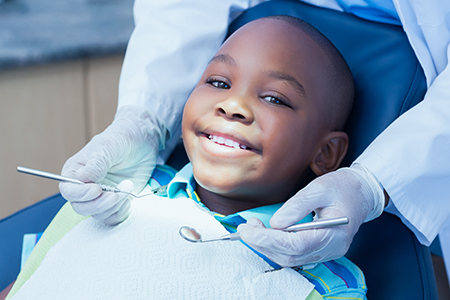
Facial growth and tooth development are closely linked. Regular dental visits let us track how the jaws are growing and whether permanent teeth are erupting in a healthy pattern. When early intervention can simplify or prevent future problems, we discuss options clearly so families can make informed choices at the right time.
Nutrition plays a central role in oral health and overall growth. We offer practical guidance on snacks and meal choices that help teeth and bones develop: emphasizing whole foods, limiting sticky sweets, and replacing sugary drinks with water. These small shifts often produce outsized benefits for dental health.
When orthodontic concerns appear (crowded front teeth, crossbites, or significant bite asymmetry), an early evaluation helps determine whether growth-guided treatment or monitoring is the best path. Our goal is to use the least invasive approach that achieves a stable, functional result.
Children are active, and accidents happen. Our practice prepares families for common dental injuries, from chips and dislodged teeth to painful infections, by explaining what to do and by offering prompt, compassionate care when urgent treatment is needed. Quick action often improves the long-term outcome.
For children who play organized sports, properly fitted mouthguards provide reliable protection against injury to the teeth and soft tissues. We evaluate activity level and sport type to recommend the most appropriate guard, and we ensure the fit is comfortable so kids will actually wear it.
If a child has difficulty tolerating care due to anxiety, special needs, or a medical condition, we discuss approaches that keep safety and comfort first. Options may include behavior guidance strategies, scheduling adjustments, or, when appropriate, sedation under careful monitoring. Our aim is to make dental care accessible and successful for every child.
Schedule the first dental visit around the first birthday or when the first tooth appears.
Use a smear of fluoride toothpaste for toddlers and a pea-sized amount for older children, following current pediatric guidance.
Limit sugary snacks and replace sweet drinks with water to reduce cavity risk and support healthy habits.
Encourage protective gear for sports and discuss mouthguard options before the season starts.

Children’s dental needs change quickly as they grow. Consistent visits give us the opportunity to catch small problems before they become large ones and to tailor care to each stage of development. That continuity is the clearest path to a healthy, functional smile that supports well-being and confidence.
We partner with parents to translate clinical recommendations into daily routines that fit family life. Whether the focus this year is preventing cavities, managing a habit, or evaluating early orthodontic signs, the plan we leave you with will be practical and measurable so progress is visible and stress is minimized.
Functional Cosmetic Dentistry Associates is committed to helping families navigate pediatric oral health with clarity and compassion. For more information about our pediatric services or to discuss your child’s specific needs, please contact us; we’re here to help.
The first dental visit is recommended around the first birthday or when the first tooth appears, whichever comes first. This early check lets clinicians verify normal tooth eruption, identify potential risks, and establish a baseline for future care. Early visits also give parents practical guidance on home care and prevention so they feel confident caring for their child's developing teeth.
The initial appointment is typically short and focused on comfort and familiarization rather than treatment. Clinicians use age-appropriate language and gentle techniques to help children feel safe and build a positive association with dental visits. Families leave with clear, actionable steps for brushing, feeding habits, and scheduling follow-ups based on development and risk.
A routine pediatric visit includes an examination of tooth eruption, gum health, and how the upper and lower teeth meet, along with an assessment of cavity risk and oral habits. The clinician checks soft tissues, listens for any jaw sounds, and observes chewing and breathing patterns that can affect development. When needed, digital x-rays are used to see between teeth or below the gumline while minimizing radiation exposure.
Professional cleaning removes plaque and polishes teeth, and the visit always includes brief, practical coaching for parents and children on brushing and flossing. Providers explain findings in straightforward terms and outline next steps, whether that is prevention, monitoring, or a referral for a specialty evaluation. The goal is to keep visits predictable, educational, and focused on prevention and growth.
Prevention starts with consistent daily routines: brushing twice a day with the appropriate amount of fluoride toothpaste, supervising flossing as teeth touch, and limiting sugary snacks and drinks. Consistent mealtimes and offering water instead of sweetened beverages reduce acid exposure and lower decay risk. Establishing these habits early makes them more likely to become lifelong behaviors that support oral health.
Regular professional care complements home routines by identifying early decay and reinforcing technique and timing for oral hygiene. Providers offer age-specific recommendations, such as the correct toothpaste amount and when to progress from a smear to a pea-sized amount, that match current pediatric guidance. Open communication about challenges like bedtime bottles or frequent snacking allows the team to suggest practical, nonjudgmental strategies families can implement right away.
Dental sealants are thin protective coatings applied to the grooves of molars to block food and bacteria from collecting where brushing may miss. They are applied quickly and painlessly during a routine visit and are especially helpful for children with deep grooves or higher cavity risk. Topical fluoride treatments strengthen enamel and help teeth resist acid attacks, and they may be recommended periodically based on a child's risk profile.
Both sealants and fluoride are evidence-based, preventive measures that significantly reduce the chance of cavities on treated surfaces when combined with good home care. Decisions about using these treatments are individualized and consider eruption stage, diet, and past decay. Providers explain the benefits and any follow-up needed so families can make informed choices for their child.
Monitoring jaw and facial growth involves observing how permanent teeth erupt, how the arches are developing, and whether the bite is forming normally as a child grows. Early detection of asymmetry, crossbites, or crowding allows for less invasive, growth-guided approaches when appropriate. Tracking these developmental markers helps prevent more complex interventions later and supports functions such as breathing and speech.
When concerns arise, the clinician may recommend monitoring, simple habit interventions, or an early orthodontic consultation to evaluate growth opportunities. The focus is on using the least invasive method that achieves a stable, functional result aligned with long-term health. Families receive clear explanations about timing, expected changes, and indicators that would prompt earlier action.
For injuries such as a broken or knocked-out tooth, quick, calm action improves the likelihood of a good outcome; keep the child comfortable and call the office for guidance on next steps. If a permanent tooth is dislodged, try to handle it by the crown, rinse gently if dirty, and bring it to the clinician in milk or saline if possible. For severe pain, swelling, or signs of infection, seek prompt care so the clinician can assess and treat the issue to reduce complications.
The practice explains common first-aid measures and what to expect during an urgent visit so families feel prepared should an accident occur. Timely assessment often allows conservative management and better long-term prognosis for injured teeth. Clinicians provide clear, compassionate instructions and follow-up care tailored to the child's age and the nature of the injury.
Dental x-rays use minimal radiation and are taken only when clinically indicated to answer specific diagnostic questions that cannot be resolved by visual exam alone. Modern digital radiography further reduces exposure and provides clear images that help monitor developing permanent teeth, detect hidden decay, and evaluate growth patterns. Clinicians weigh the benefit of information gained against the small radiation risk and follow established guidelines for frequency and technique.
X-rays are especially useful when teeth are crowded, cavities are suspected between teeth, or development needs closer tracking. Parents are informed about why an image is recommended and how it will influence the care plan. When possible, imaging is deferred until it will meaningfully aid diagnosis and treatment planning for the child.
The team uses behavior guidance techniques, clear communication, and a calm environment to help reduce anxiety and build trust for children of all ages. Strategies include explaining procedures in age-appropriate terms, demonstrating instruments before use, offering breaks, and inviting parents into the operatory when helpful. For children with sensory sensitivities or developmental differences, the office adapts routines and pacing to match the child's comfort and safety needs.
When necessary, the practice discusses additional supports such as scheduling adjustments, short visits to acclimate the child, or safe, monitored sedation options for more involved care. The primary goal is to make dental care accessible and successful while prioritizing the child's emotional and physical well-being. Families collaborate with clinicians to find the approach that works best for their child.
An orthodontic screening is advisable when early signs of alignment or bite problems appear, such as crossbites, significant crowding of front teeth, or noticeable asymmetry in jaw growth. Many issues are easier to manage if identified during growth, when gentle guidance can direct development and reduce the need for complex treatment later. Routine dental visits provide an opportunity to observe these signs and recommend a timely orthodontic evaluation if indicated.
The goal of early screening is to determine whether growth-guided treatment, simple intervention, or continued monitoring is the best path forward. Providers explain the rationale for any recommendation and outline expected milestones and follow-up intervals. Families are given clear criteria for when to return for reassessment so progress is tracked and interventions occur at the most effective time.
Nutrition and daily routines are foundational to healthy teeth and jaws: a balanced diet rich in whole foods, calcium, and vitamin D supports tooth and bone development while limiting sugary or sticky snacks reduces cavity risk. Replacing sweet drinks with water and establishing consistent meal and snack times minimize prolonged acid exposure to enamel. These practical dietary shifts produce meaningful improvements in oral health and overall growth.
Daily routines such as supervised brushing and consistent bedtime habits make preventive care reliable and effective. The practice provides age-specific advice on toothpaste amounts, flossing timing, and strategies to reduce problematic habits like frequent snacking or prolonged pacifier use. Functional Cosmetic Dentistry Associates partners with families to translate clinical recommendations into manageable, measurable routines that fit everyday life.
Quick Links
