


Dental anxiety is common: for many people a trip to the dentist triggers worry, tension, or full-blown avoidance. If you find yourself postponing care because of fear, Functional Cosmetic Dentistry Associates offers sedation options designed to make appointments manageable and comfortable. Our approach focuses on safe, measured techniques that let patients receive necessary dental treatment without distress.
Avoiding routine care because of anxiety can allow small problems to grow into more complex issues. Sedation dentistry is a practical tool that helps patients stay current with preventive visits and complete restorative work with less psychological strain. Most methods create a deep sense of calm while preserving the ability to follow simple instructions when needed.
We respect patients’ concerns and take time to explain which sedation choices are appropriate for a given procedure and medical history. You’ll know what to expect before treatment begins, and our team will make sure monitoring and comfort are priorities throughout the visit.
Whether you need a single lengthy procedure or simply want the peace of mind that sedation provides, our goal is to help you get the care you need with dignity and ease.
Fear of the dentist shows up in many ways. For some it’s an anxious knot before an appointment; for others it’s an overwhelming phobia that keeps them from scheduling care at all. Sedation addresses the emotional component of dental treatment so patients can proceed without fighting panic or dread.
Sedation can also be the right choice when environmental factors make treatment difficult: a sensitive gag reflex, heightened sensory responses, or a history of traumatic dental experiences. Reducing the stress response makes it easier for clinicians to work efficiently and for patients to tolerate necessary maneuvers.
Finally, sedation is often used when physical or cognitive limitations make it hard for a patient to remain still for the length of a procedure. In these situations, appropriate sedation supports safe, effective care while minimizing distress for everyone involved.
People worry about losing control under sedation, but most dental sedation methods produce a relaxed, sleepy state rather than unconsciousness. Patients commonly describe feeling detached from the immediate sensations of treatment, with reduced memory of the procedure afterward. This helps many people complete work in fewer visits without the emotional toll.
Before any sedated appointment, we review your medical history, current medications, and any previous reactions to sedation. That conversation guides which method is safest and most effective for you. During the procedure, vital signs and responsiveness are monitored so the dental team can adjust comfort and safety in real time.
Recovery varies by method. Nitrous oxide wears off quickly, allowing a swift return to baseline, while oral or IV sedation can take longer to clear. For deeper forms of sedation, someone may need to accompany you to and from the office and remain with you until you’ve recovered adequately.

Sedation is not limited to people with phobias. Many patients gain meaningful benefits from sedation when facing specific challenges: extensive restorative or surgical work, difficulty sitting for long periods, or pronounced sensitivity to dental instruments and sounds. The result is less stress and a more efficient treatment experience.
Parents of children with behavioral difficulties, adults with intellectual or developmental disabilities, and patients with chronic conditions that make lengthy procedures difficult often find sedation enables care that would otherwise be impossible or traumatic. Options are selected with an emphasis on safety and the individual’s needs.
Even patients who are simply nervous about procedures like extractions, implants, or multiple restorations often choose sedation to remain calm and relaxed, allowing both patient and provider to focus on quality outcomes rather than managing anxiety.
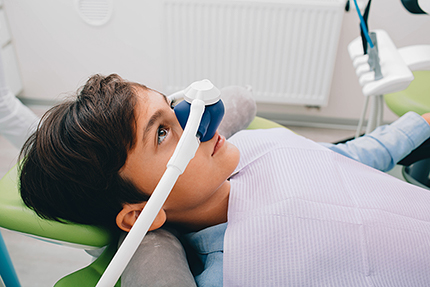
Sedation is a spectrum, and matching the level to the procedure and patient is essential. Our team evaluates your health history, the length and complexity of the planned treatment, and your personal comfort goals to recommend the safest, most appropriate option. The aim is always the least invasive method that achieves reliable relaxation.
There’s a big difference between remaining lightly sedated and being fully anesthetized. Many dental procedures are completed with “conscious” or “deep conscious” sedation: patients are drowsy and comfortable but can respond to verbal cues. General anesthesia, which renders a patient fully unconscious, is typically reserved for situations that cannot be managed safely in the dental office and is delivered in a hospital setting by an anesthesiology team.
For most dental practices, the safe and practical choices are inhalation, oral, and intravenous methods. Each has distinct benefits and recovery profiles; we’ll explain them and make a shared decision with you about which fits your medical status and the procedure planned.
Nitrous oxide, commonly called laughing gas, is inhaled through a small mask and produces mild to moderate relaxation. It acts rapidly and is discontinued at the end of the procedure; patients typically recover awareness within minutes. Nitrous oxide is an excellent choice for short procedures and for patients who want a gentle, reversible option.
Oral sedation involves a prescribed medication taken before the appointment to reduce anxiety and produce drowsiness. It can make dental work feel faster and less stressful, but it takes longer to wear off compared with nitrous oxide. For safety, patients using oral sedation should make arrangements for transportation and follow post-procedure instructions closely.
Intravenous sedation provides rapid, adjustable control of sedation depth and is used when deeper relaxation is needed for longer or more invasive procedures. Because its effects can be closely titrated during care, IV sedation is often chosen for multi-part restorative work or surgical needs. Prior to IV sedation, the team will review fasting guidelines and recovery expectations.
Safety is the foundation of any sedation plan. During a sedated appointment, the dental team monitors breathing, oxygen levels, heart rate, and blood pressure as appropriate for the selected method. Equipment and emergency protocols are in place so the team can respond to changes quickly and effectively.
All sedation decisions are made with attention to your overall health, allergies, and current medications. Honest communication about your medical history, including any use of sleep apnea devices, respiratory conditions, or recent illnesses, helps us select the safest option for you.
Your comfort is also supported through simple measures: clear explanations, nonverbal signals you can use during treatment, and staged recovery steps so you leave the office ready to resume normal activities at a safe pace.
Preparation depends on the chosen method. Short-acting options like nitrous oxide usually allow same-day return to routine tasks, while oral and IV sedation require planning for a responsible adult to accompany you and drive you home. We will provide specific pre-appointment instructions, such as fasting windows or medication guidance, well before your visit.
After sedation, you may feel groggy or have limited short-term memory of the procedure. That’s normal. Recovery instructions cover resting, avoiding certain activities for a specified period, and following up if any unusual symptoms arise. The dental team will review aftercare steps in plain language so you know what to expect.
Follow-up visits and communication are part of the care plan. If a sedated appointment allows multiple procedures in one visit, we will ensure any subsequent visits are scheduled with your comfort and recovery in mind.
In summary, sedation dentistry can transform the way anxious or sensitive patients experience dental care, turning appointments that once felt daunting into manageable, even straightforward events. If you have concerns about dental anxiety, a sensitive gag reflex, or procedures that require extended time in the chair, reach out to learn more about how sedation might help. Contact us for more information about sedation options and what to expect during a comfortable, safe visit.
Sedation dentistry uses medications to reduce anxiety and increase comfort during dental procedures. It ranges from mild relaxation with nitrous oxide to deeper, office-based IV sedation for longer or more complex visits. The goal is to allow patients to receive necessary care without the emotional distress that can accompany dental treatment.
At Functional Cosmetic Dentistry Associates in San Francisco, we focus on matching the sedation method to the procedure and the patient’s medical history. That approach helps patients complete preventive or restorative work in a calm, controlled environment. Clear pre-appointment planning and monitoring are central to safe, effective care.
The most common office-based options are nitrous oxide, oral sedatives, and IV sedation, each with distinct onset times and recovery profiles. Nitrous oxide produces rapid, mild to moderate relaxation and wears off quickly, making it suitable for shorter procedures. Oral sedatives are taken before the appointment to create deeper relaxation, while IV sedation provides adjustable control for longer or more invasive treatments.
Selection depends on the length and complexity of the procedure, the patient’s health status, and their comfort goals. All methods used in the office are designed to preserve patient safety and responsiveness to simple commands when appropriate. Your dental team will explain the expected sensations and recovery timeline for the option recommended.
Most dental sedation produces a sedated, drowsy state rather than full unconsciousness, allowing patients to respond to verbal cues if needed. Conscious and deep conscious sedation commonly used in dental offices result in little or no memory of the procedure while maintaining protective reflexes. General anesthesia, which causes complete unconsciousness, is typically reserved for hospital settings and more complex cases requiring an anesthesiology team.
Your care team will explain the level of sedation recommended and what responsiveness to expect during the visit. Understanding the difference between relaxed awareness and general anesthesia helps set realistic expectations. If a deeper level of sedation is required, the team will outline why it is necessary and how safety will be maintained.
Safety during sedation relies on continuous monitoring of vital signs such as oxygen saturation, heart rate, blood pressure, and respiratory status as appropriate for the chosen method. Trained clinicians use monitoring equipment and standardized protocols to detect and respond to changes quickly. Emergency equipment and procedures are in place so the team can act promptly if any issue arises.
Before treatment begins the team reviews your medical history, medications, and any prior reactions to sedation so monitoring can be tailored to your needs. Open communication about sleep apnea, respiratory conditions, or recent illnesses is important to ensure appropriate precautions. The emphasis is always on selecting the least invasive option that achieves reliable relaxation while preserving safety.
Preparation varies by sedation type but commonly includes fasting guidelines for deeper sedation, instructions about current medications, and arrangements for a responsible adult to accompany you home. Your dental team will provide clear pre-appointment directions tailored to the method being used so you know when to stop eating or drinking and which medications to take or hold. Following these instructions helps reduce risks and supports a smoother recovery.
If you have medical conditions, use sleep apnea devices, or take medications that affect sedation, disclose them during the pre-procedure review so the plan can be adjusted. Honest disclosure about allergies and prior anesthesia experiences is essential for safe care. If you have questions about preparation, the team will explain each step in plain language before the appointment.
Recovery depends on the sedation used: nitrous oxide typically allows rapid return to baseline, while oral or IV sedation can cause lingering drowsiness and limited short-term memory. You may feel groggy, and it is common to have little recollection of the procedure for a period after the visit. For deeper sedation, a responsible adult should remain with you until you are alert and stable to reduce risk and ensure comfort.
Post-procedure instructions will cover resting, avoiding certain activities for a specified period, and when to contact the office if unusual symptoms occur. Follow-up appointments and communication are part of the care plan to monitor healing and address any concerns. The dental team will review aftercare steps in straightforward terms so you know what to expect at home.
Good candidates include patients with significant dental anxiety, a strong gag reflex, or heightened sensory sensitivity that makes treatment difficult or traumatic. Sedation is also valuable for people facing lengthy restorative or surgical procedures, and for patients with physical or cognitive limitations that prevent them from comfortably tolerating care. The decision to use sedation always balances medical history, current health, and the complexity of the planned treatment.
During the planning visit the dental team evaluates your overall health, medications, and any conditions that could affect sedation choices. This personalized review ensures the safest and most effective method is selected for your needs. If sedation is not appropriate, the team will recommend alternative strategies to improve comfort and cooperation.
Yes, children and adults with developmental or behavioral challenges can often benefit from tailored sedation plans that facilitate safe, effective care. The approach is individualized, taking into account age, weight, medical history, and the nature of the procedure so the smallest effective dose and appropriate monitoring are used. Parents or caregivers are included in planning to ensure consent, understanding, and safe transport and recovery arrangements.
For some patients, nitrous oxide or oral sedation provides sufficient calming without the need for deeper agents, while others may require closer monitoring with IV sedation. The team will explain risks, benefits, and what to expect in recovery in clear, compassionate terms. Safety protocols and communication strategies are emphasized to make the visit as smooth as possible for patients and families.
The choice of sedation level is based on the planned procedure, the patient’s health history, medication use, and their comfort goals, with a preference for the least invasive effective option. Clinicians assess factors such as treatment duration, anticipated discomfort, and any conditions that might increase risk, then discuss options and expected outcomes with the patient. Shared decision-making helps ensure the selected method aligns with safety priorities and the patient’s preferences.
When deeper sedation is considered, additional precautions such as fasting, specialized monitoring, and post-procedure escort requirements are discussed. The team documents the plan and reviews consent and aftercare instructions before any sedated appointment. This structured process supports predictable, safe outcomes and reduces anxiety by setting clear expectations.
Start by describing the specific sources of your anxiety or past experiences that influence your comfort level, such as needle phobia, sensitivity to noise, or difficulty remaining still. The dental team will listen, review your medical history and medications, and explain which sedation options could address those concerns while maintaining safety. Asking about monitoring, recovery expectations, and how you will communicate during the procedure can help you feel more in control.
If you are a patient of Functional Cosmetic Dentistry Associates or considering care at the practice, request a pre-procedure consultation to review sedation choices and any special medical considerations. That conversation is an opportunity to set realistic expectations and to plan for a safe, comfortable visit. The team is available to answer questions and to tailor the approach to your needs so you can receive the dental care you require with confidence.
Quick Links
